Lesion
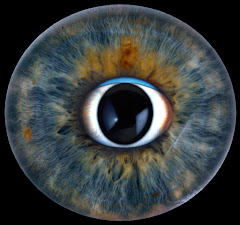
Nuclear sclerosis cataract - central lens nucleus yellowed/browned with loss of normal red reflex. Pharmacologic dilation reveals nuclear density and possible cortical spokes peripherally. Lens appears opacified on retroillumination.
Case 06 - Cornea, external disease, and anterior segment
75-year-old man - Bilateral asymmetric vision loss - Initially distance, now both distance and near
A 75-year-old man suffered bilateral but asymmetric decrease in vision. Initially the patient had problems with distance vision, but he is now experiencing difficulty with both distance and near vision. The pupil has been pharmacologically dilated.
Nuclear sclerosis cataract - central lens nucleus yellowed/browned with loss of normal red reflex. Pharmacologic dilation reveals nuclear density and possible cortical spokes peripherally. Lens appears opacified on retroillumination.
Age-related (senile) - most common; oxidative damage to lens crystallins + UV. Others: diabetes (cortical 'snowflake'), corticosteroids (PSC), radiation, trauma (Vossius ring), congenital (rubella), galactosemia, hypoparathyroidism.
Initial 'index myopia': nuclear sclerosis up refractive index -> myopic shift -> 'second sight' (temporary near improvement, blurred distance). Later: cataract matures -> light scatter -> both distances affected. Glare (especially night driving), monocular diplopia, down contrast sensitivity.
Phacoemulsification + posterior chamber IOL (gold standard). Indications: functional impairment or secondary complications. IOL power by biometry (IOL Master). B-scan US if fundus not visible. Post-op: topical Abx + steroid; YAG capsulotomy for PCO.
'Second sight' (temporary near vision improvement with nuclear sclerosis) delays presentation. The most vision-impairing cataract per unit density = PSC (sits in visual axis -> disproportionate glare/near impact). Cataracts are the leading cause of REVERSIBLE blindness worldwide. N/S B-scan before surgery when fundus cannot be visualized.
Lesion Common cause
Nuclear sclerosis cataract - central lens nucleus yellowed/browned with loss of normal Age-related (senile) - most common; oxidative damage to lens crystallins + UV. Others:
red reflex. Pharmacologic dilation reveals nuclear density and possible cortical spokes diabetes (cortical 'snowflake'), corticosteroids (PSC), radiation, trauma (Vossius ring),
peripherally. Lens appears opacified on retroillumination. congenital (rubella), galactosemia, hypoparathyroidism.
Symptoms Treatment
Initial 'index myopia': nuclear sclerosis up refractive index -> myopic shift -> 'second sight' Phacoemulsification + posterior chamber IOL (gold standard). Indications: functional
(temporary near improvement, blurred distance). Later: cataract matures -> light scatter -> impairment or secondary complications. IOL power by biometry (IOL Master). B-scan US if
both distances affected. Glare (especially night driving), monocular diplopia, down contrast fundus not visible. Post-op: topical Abx + steroid; YAG capsulotomy for PCO.
sensitivity.
TEACHING PEARL
'Second sight' (temporary near vision improvement with nuclear sclerosis) delays presentation. The most vision-impairing cataract per unit density = PSC (sits in visual axis
-> disproportionate glare/near impact). Cataracts are the leading cause of REVERSIBLE blindness worldwide. N/S B-scan before surgery when fundus cannot be visualized.